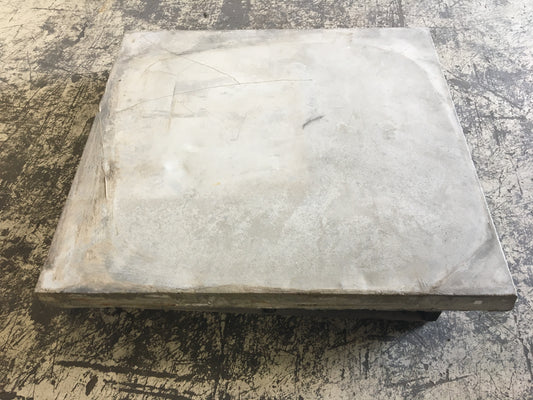
Air Conditioning Pads
-
Vendor: Diversitec
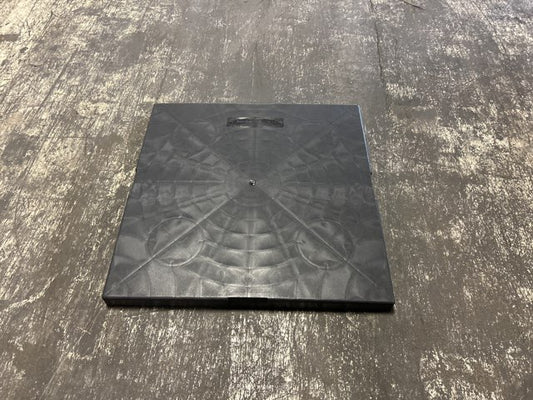
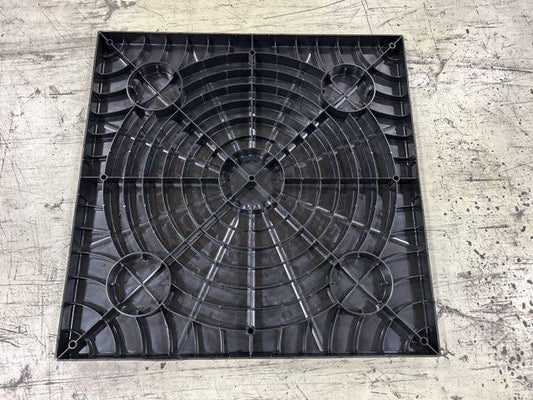
24x24x2 Inch Black Plastic Equipment Pad
SCL # : 221755 Available: 10Shop NowRegular price $40.00Regular priceUnit price / perSale price $40.00 -
Vendor: Diversitec
30x30x2 Inch Black Plastic Equipment Pad
SCL # : 221754 Available: 104Shop NowRegular price $45.00Regular priceUnit price / perSale price $45.00 -
Vendor: Diversitec
EcoPad 30" x 30" x 2" Black Plastic Equipment Pad
SCL # : 221201 Available: 1Shop NowRegular price $40.00Regular priceUnit price / perSale price $40.00 -
Vendor: Diversitec
36 x 36 x 2 Inch Thick Black Plastic Equipment Pad
SCL # : 218850 Available: 186Shop NowRegular price $57.00Regular priceUnit price / perSale price $57.00 -
Vendor: Diversitec
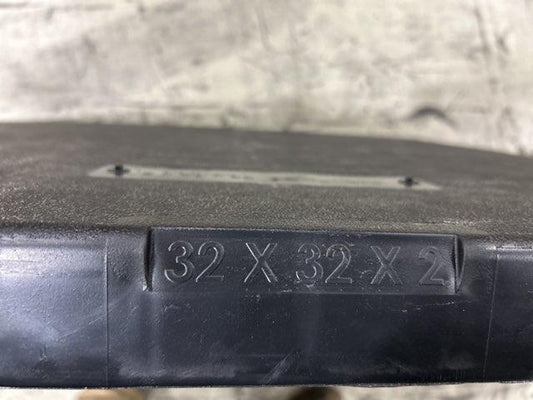
32 x 32 x 2 Inch Thick Black Plastic Equipment Pad
SCL # : 218849 Available: 207Shop NowRegular price $47.00Regular priceUnit price / perSale price $47.00 -
Vendor: Diversitec
36" x 36" x 2" Gray Plastic Equipment Pad
SCL # : 218848 Available: 220Shop NowRegular price $57.00Regular priceUnit price / perSale price $57.00 -
Vendor: Diversitec
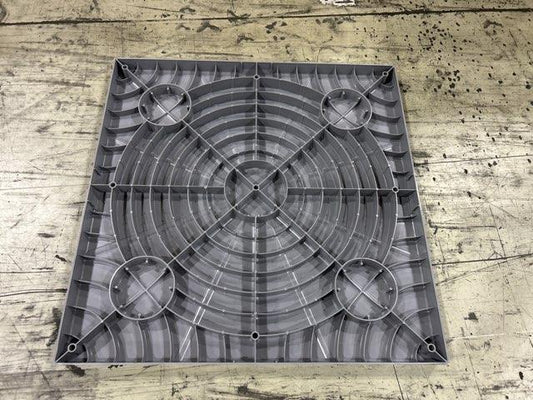
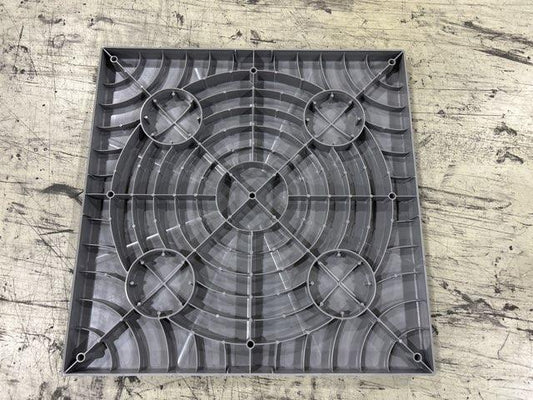
32 x 32 x 2 inch Thick Gray Plastic Equipment Pad
SCL # : 218847 Available: 226Shop NowRegular price $47.00Regular priceUnit price / perSale price $47.00 -
Vendor: Diversitec
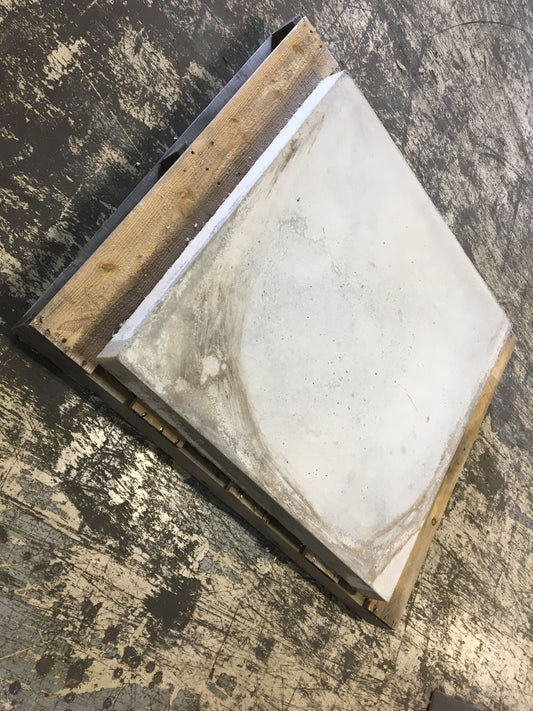
3"H x 36"W x 36"L Cladlite Concrete Air Conditioner Pad
SCL # : 213019 Available: 32Shop NowRegular price $150.00Regular priceUnit price / per$0.00Sale price $150.00 -
Vendor: Diversitec
3"H x 50"W x 53"D Cladlite Concrete Air Conditioniing Pad
SCL # : 213018 Available: 14Shop NowRegular price $200.00Regular priceUnit price / per$0.00Sale price $200.00
Frequently Asked Questions
An AC condenser pad is a flat, elevated platform that sits beneath an outdoor air conditioning or heat pump unit, keeping it level, stable, and off the ground. Without one, the unit rests directly on soil that can shift, erode, or become waterlogged over time. These conditions stress the refrigerant lines, electrical connections, and the cabinet itself.
Raising the unit off the ground blocks pests and standing water from entering the cabinet and reduces the risk of soil-driven corrosion on the base pan. A properly sized pad also absorbs vibration that would otherwise transfer into the ground or structure, which cuts down on noise during operation and reduces mechanical wear on the compressor mounts over the long haul.
Most manufacturers specify pad requirements in their installation guidelines, and many local building codes require a minimum elevation of three inches. Skipping the pad can void equipment warranties and create problems during permitted inspections.
Surplus air conditioner pads at Surplus City Liquidators are available in a range of standard dimensions to fit residential and light commercial condensers. Common footprints include 36" x 36" for smaller residential units and wider profiles such as 50" x 60" for larger or dual-compressor systems. Inventory fluctuates based on what comes through overstock channels, so available sizes vary.
Before purchasing, measure the base footprint of the outdoor unit and confirm the pad extends at least two to three inches beyond all sides of the unit. That overhang distributes the load evenly, prevents the unit from rocking, and gives technicians stable footing when servicing the equipment.
The pad's weight rating also matters. Check the unit's operating weight in the spec sheet and select a pad rated to meet or exceed it. Plastic composite pads typically carry published load ratings on the product listing, making it straightforward to verify compatibility before adding to cart.
Every condenser pad sold by Surplus City Liquidators is brand-new merchandise. "Surplus" refers to overstock (excess inventory), closeout stock, or liquidated new product sourced directly from manufacturers and distributors; not secondhand, refurbished, or cosmetically damaged goods. Customers receive factory-new products at a fraction of the typical price.
The surplus channel works because manufacturers and distributors regularly need to clear overstock, discontinued SKUs, or end-of-season inventory. Surplus City acquires those new products at a discount and passes the savings on. The pads have never been installed.
For most residential and light commercial installations, a plastic or composite HVAC equipment pad is the better choice. These pads are lightweight enough for one person to handle, fully waterproof, UV-stabilized to resist sun degradation, and flex slightly under load, which means they won't crack during freeze-thaw cycles the way concrete can. They're also easier to re-level if the ground settles.
Concrete pads offer maximum compressive strength and are typically specified for heavy commercial condensers or rooftop applications with very high equipment weights. For a standard residential split system, a concrete pad is rarely necessary and adds significant handling and installation complexity.
The deciding factor is the unit's operating weight and local installation requirements. Verify the weight rating on any pad before purchasing. Most plastic condenser pad listings include that specification, and Surplus City's product descriptions note material type where available.
Most jurisdictions require the outdoor unit to be elevated a minimum of three inches above grade. In flood zones, coastal areas, or regions with heavy snowfall, the required clearance is often higher. The relevant code section is typically found under the local mechanical code or the jurisdiction's adoption of the International Mechanical Code (IMC).
For permitted installations, the safest path is to verify requirements directly with the local building department or through a licensed HVAC contractor before purchasing. Manufacturers also publish installation manuals with their own pad specifications, and those requirements must be met to maintain equipment warranties.
Selecting a pad sized to extend two to three inches past the unit's footprint on all sides is standard industry practice and consistent with most manufacturer guidelines. An air conditioner condenser pad that meets both the elevation requirement and the overhang standard will satisfy the large majority of code and manufacturer requirements.
Large condenser pads ship via LTL (less-than-truckload) freight rather than standard parcel carriers. Their size makes them unsuitable for UPS or FedEx Ground handling. LTL carriers use pallet-based shipping that protects the product in transit. Shipping charges are calculated at checkout, though final freight costs may be adjusted after order placement if the carrier's dimensional weight calculation changes the rate.
Customers who prefer to inspect inventory in person or pick up directly can visit any of Surplus City Liquidators' four retail showroom locations:
- Lebanon, IN
- Lafayette, IN
- Grand Prairie, TX
- Greenville, SC
- Lebanon, PA
In-person pickup avoids freight charges entirely and lets buyers confirm pad dimensions before leaving the store. Contact the nearest showroom to confirm current discount condenser pad inventory before making the drive.
Condenser pad maintenance is minimal but worth doing annually alongside routine AC service. Check that the pad is still level; if the ground has settled unevenly beneath it, the unit will run at a tilt that stresses refrigerant lines and can cause premature compressor wear. Re-leveling usually requires adding compacted gravel underneath the low edge rather than any work on the unit itself.
Keep vegetation cleared from around the pad perimeter. Grass, weeds, and mulch packed against the sides of the pad can hold moisture and obstruct condenser airflow, both of which shorten equipment life. A clear perimeter of 12 to 18 inches on all sides is standard HVAC service guidance.
Inspect the pad surface once a year for cracks, surface heaving, or significant discoloration. Plastic and composite pads hold up well through freeze-thaw cycles, but any pad that has shifted enough to tilt the unit should be re-leveled promptly. A stable, level pad is one of the lowest-cost ways to protect a condenser investment.