-
Vendor: EMERSON
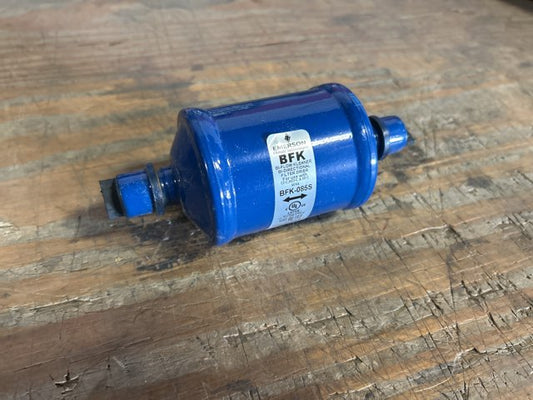
8 Cu In 5/8" ODF Solder Liquid Line Bi-Flow Filter Drier
SCL # : 221186 Available: 5Shop NowRegular price $29.00Regular priceUnit price / perSale price $29.00 -
Vendor: HONEYWELL
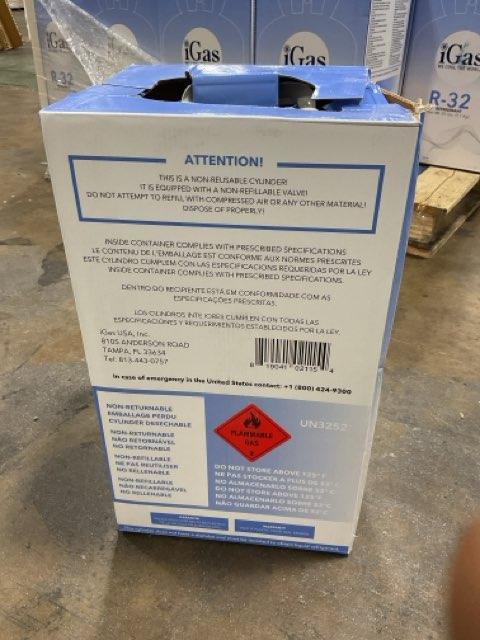
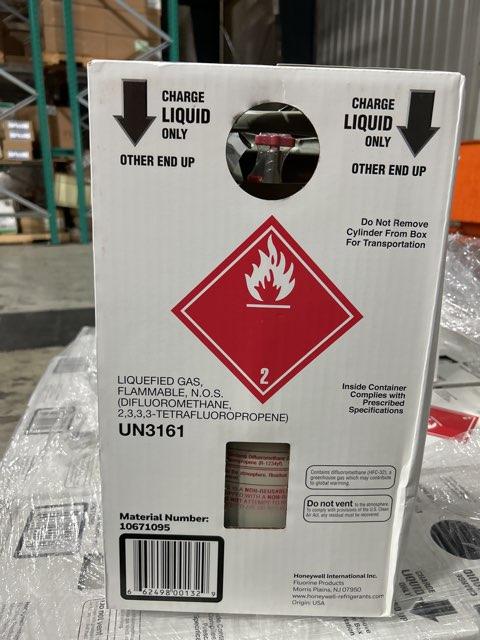
20 Lb Cylinder of R454B Refrigerant
SCL # : 220696 Available: 48Shop NowRegular price $700.00Regular priceUnit price / perSale price $700.00 -
Vendor: WORTHINGTON
25 Lb Cylinder of R-410A Non-Flammable Gas
SCL # : 219705 Available: 58Shop NowRegular price $400.00Regular priceUnit price / perSale price $400.00 -
Vendor: GE Appliances
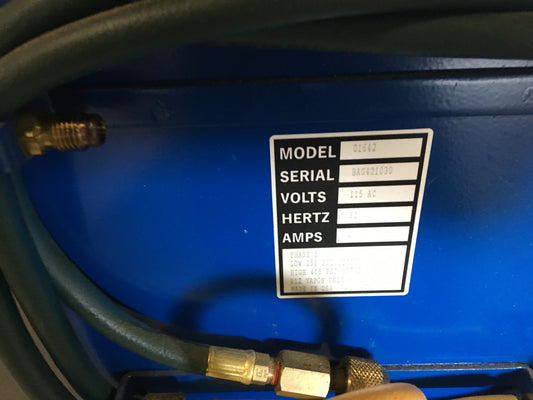
Refrigerant Recovery Pump, 115 Volt
SCL # : 217357 Available: 1Shop NowRegular price $424.31Regular priceUnit price / per$449.00Sale price $424.31Sale -
Vendor: BURNHAM
#945 Beckett Burner Adapter Plate Carton Assembly
SCL # : 199290 Available: 1Shop NowRegular price $85.05Regular priceUnit price / per$90.00Sale price $85.05Sale -
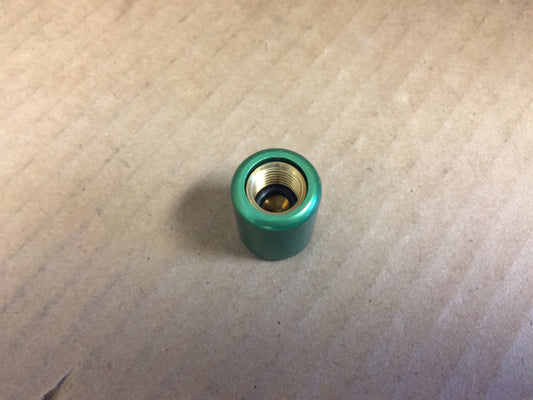
Vendor: RECTORSEAL
1/4" Thread Green Novent R22 Locking Refrigerant Cap; 2Pk
SCL # : 210932 Available: 12Shop NowRegular price $8.10Regular priceUnit price / per$9.00Sale price $8.10Sale -
Vendor: SERVICE FIRST
Gas-Liquid Separator Assembly
SCL # : 210832 Available: 1Shop NowRegular price $22.68Regular priceUnit price / per$24.00Sale price $22.68Sale -
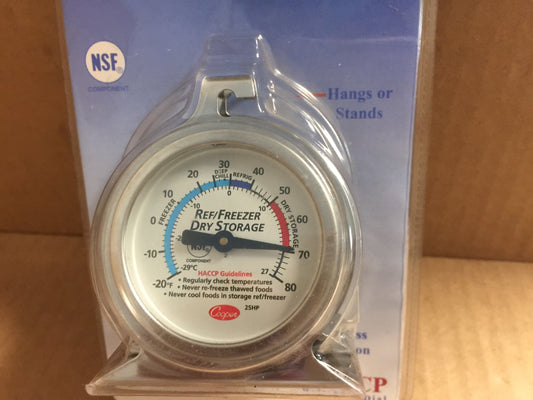
Vendor: COOPER ATKINS
Refrigerator/Freezer/Dry Storage Thermometer (2 Pack)
SCL # : 209928 Available: 35Shop NowRegular price $10.20Regular priceUnit price / per$12.00Sale price $10.20Sale -
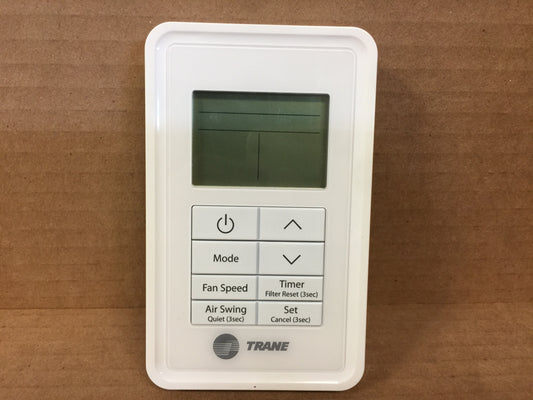
Vendor: TRANE
Wired Remote Control; 12V, Variable Refrigerant Flow System
SCL # : 209658 Available: 4Shop NowRegular price $338.00Regular priceUnit price / per$0.00Sale price $338.00 -
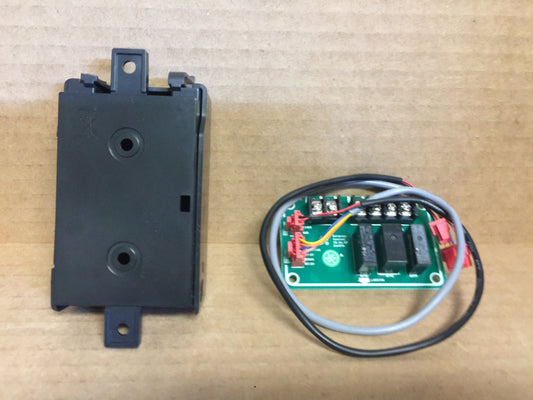
Vendor: INGERSOLL-RAND
Variable Refrigerant Flow Interface Module; or Auxiliary Heat Module
SCL # : 209657 Available: 1Shop NowRegular price $189.00Regular priceUnit price / per$200.00Sale price $189.00Sale -
Vendor: RECTORSEAL
R-22 Refrigeration Cap, 1/4" Thread
SCL # : 209498 Available: 2Shop NowRegular price $239.09Regular priceUnit price / per$253.00Sale price $239.09Sale -
Vendor: TRANE
1/2" Discharge Tube Assembly
SCL # : 207411 Available: 2Shop NowRegular price $20.00Regular priceUnit price / per$0.00Sale price $20.00 -
Vendor: INGERSOLL-RAND
Variable Refrigerant Flow System Mode Selector Switch
SCL # : 207322 Available: 1Shop NowRegular price $55.76Regular priceUnit price / per$59.00Sale price $55.76Sale -
Vendor: TRANE
3/4" X 7/8" - Suction Line with Hookup and Solenoid
SCL # : 207115 Available: 1Shop NowRegular price $24.00Regular priceUnit price / per$0.00Sale price $24.00 -
Vendor: TRANE
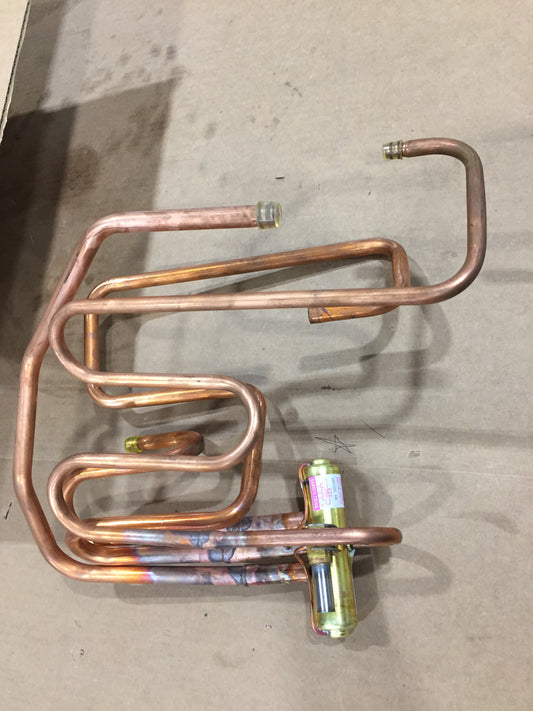
Valve 4 Way
SCL # : 207031 Available: 5Shop NowRegular price $39.69Regular priceUnit price / per$42.00Sale price $39.69Sale -
Vendor: SPORLAN
7-10 Ton Discharge Bypass Valve Multi Refridgerant 7/8" X 7/8"
SCL # : 207004 Available: 4Shop NowRegular price $367.61Regular priceUnit price / per$389.00Sale price $367.61Sale -
Vendor: SPORLAN
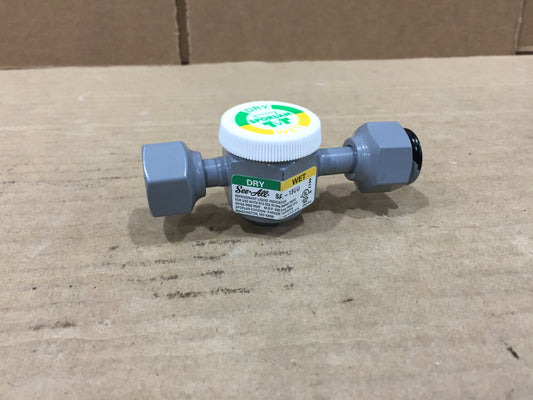
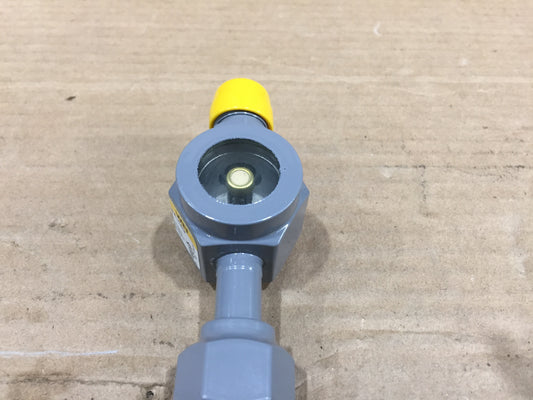
1/2" Female Threaded Sides, Refrigerant Mousture Liquid Indicator
SCL # : 206954 Available: 1Shop NowRegular price $20.79Regular priceUnit price / per$22.00Sale price $20.79Sale -
Vendor: SPORLAN
3/8" Flange, 3/4" Threaded, Moisture Liquid Indicator
SCL # : 206951 Available: 1Shop NowRegular price $25.00Regular priceUnit price / per$0.00Sale price $25.00
Frequently Asked Questions
When sourcing surplus HVAC filter driers, strainers, and mufflers, it helps to understand what each component does in the refrigerant circuit. Filter driers are dual-purpose components that remove moisture and trap particulate debris before they can damage expansion valves or compressors downstream. Strainers serve a similar mechanical filtration function, catching solid particles in the refrigerant flow, though unlike driers, they do not absorb moisture.
Discharge line mufflers sit on the high-pressure side of the compressor, between the compressor and condenser, where they dampen the pressure pulsations that cause audible noise and vibration in refrigerant lines. Internally, chambers and baffles break up sound waves as refrigerant passes through, reducing the acoustic energy transferred into connected tubing and the surrounding building structure. Together, these three component types protect system integrity, reduce wear on connected parts, and extend the service life of the overall refrigerant circuit.
A liquid line filter drier is installed on the high-pressure side of the circuit, between the condenser and the expansion device. It filters moisture and particulates from liquid refrigerant before it reaches the metering device, and is the most common installation type in standard residential and light commercial systems.
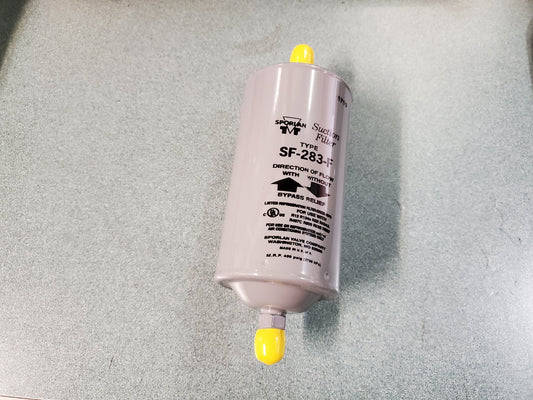
A suction line filter drier is installed on the low-pressure side, between the evaporator and the compressor. Technicians typically add one after a compressor burnout or when acid contamination is confirmed in the system oil. Because refrigerant on the suction side is in vapor form, it’s much less dense than liquid refrigerant. As a result, suction line driers need to be significantly larger than liquid line driers for the same system capacity. Selecting the wrong type for the application is a common installation error worth avoiding at the specification stage.
A bi-flow filter drier is designed for systems where refrigerant flow reverses during operation, most commonly in heat pumps. Standard uni-directional driers are only rated for refrigerant traveling in a single direction; a bi-flow unit provides filtration and moisture removal regardless of flow direction.
On a heat pump, the system reverses refrigerant flow when switching between heating and cooling modes. Installing a standard liquid line drier in that application restricts flow in reverse mode and can cause pressure drop issues or premature failure. Any time you are replacing or adding a liquid line drier on a heat pump, a bi-flow model is the correct specification.
Replace the filter drier any time the refrigerant circuit is opened for service. That includes compressor replacement, leak repair, refrigerant type changeover, or any procedure that introduces air or moisture into the system. An opened system is a contaminated system, and a fresh drier is the lowest-cost insurance against repeat failures.
Outside of service events, watch for these replacement indicators: a sight glass showing bubbles or moisture, elevated pressure drop across the drier body (generally more than 2–3 psi), evidence of acid in the system oil, or a confirmed compressor burnout. Under normal operating conditions with no service interruptions, replacing driers on a 1–2 year cycle is a reasonable preventive maintenance interval, though a moisture indicator or sight glass reading should guide the actual decision.
A discharge line muffler is installed between the compressor outlet and the condenser inlet to absorb and dissipate the pressure pulsations that compressors generate during normal operation. Without a muffler, those pulsations travel through the refrigerant lines as vibration and audible noise, which can loosen fittings, fatigue tubing joints, and transmit sound into occupied spaces.
The muffler's internal chambers and baffles interrupt the sound wave energy as refrigerant passes through, converting it to heat rather than allowing it to propagate downstream. Beyond noise reduction, a properly sized muffler reduces the mechanical wear on line connections caused by constant low-frequency vibration. In commercial applications or installations where noise complaints are a concern, specifying a discharge muffler at the time of system installation is a straightforward way to prevent issues.
The four primary selection factors are refrigerant type, system tonnage, connection diameter, and application type (liquid line, suction line, or bi-flow filter drier for heat pumps). Get all four confirmed before ordering, and the selection process becomes straightforward.
Match the drier's moisture capacity and flow rating to the system load. For suction line service, size up substantially because vapor-phase refrigerant requires significantly larger capacity than liquid-phase for the same system tonnage. Always verify that the directional arrow on the drier housing aligns with the normal refrigerant flow direction before installation. For heat pump applications, confirm the unit is rated bi-flow before installation rather than after.
All filter driers, strainers, mufflers, and other components in Surplus City's inventory are brand new and have never been installed in a system. Surplus City Liquidators has been sourcing discount HVAC refrigerant parts from manufacturers and distributors since 1975, not from decommissioned equipment or field returns.
Buying surplus means buying overstock and closeout inventory that was never put into service, not refurbished or used hardware. The difference matters to technicians who need to trust the components they install: desiccant capacity is at full rated life, and no contamination risk exists from prior refrigerant exposure. The discount reflects how the inventory was acquired, not the condition of the parts.
Surplus City offers an optional 30-day warranty available for purchase on eligible items, with coverage starting from the date the equipment arrives at the buyer's location. The warranty is available on residential single-phase equipment in qualifying product categories; confirm eligibility at the time of purchase.
The warranty program exists because buying wholesale HVAC parts at a discount should not mean buying without any protection. Surplus City stands behind the quality of its inventory, and the optional warranty gives buyers who want added assurance a clear path to coverage without inflating the base price for everyone.