Evaporative Coolers (Discount Swamp Coolers for Sale)
-
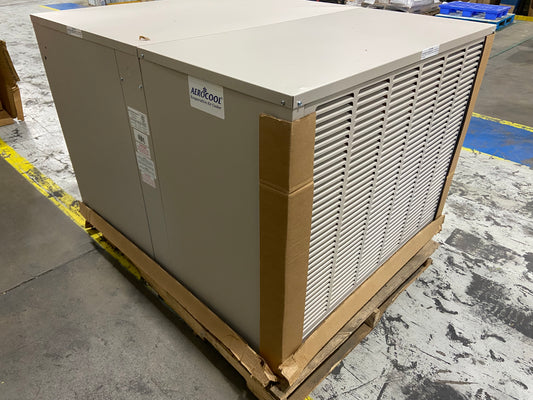
Vendor: AEROCOOL
8" Media, 6800 CFM Side Draft Evaporator Air Cooler
SCL # : 222181 Available: 1Shop NowRegular price $649.00Regular priceUnit price / perSale price $649.00 -
Vendor: PHOENIX MANUFACTURING, INC.
6800 CFM Horizontal Evaporative Cooler, 115-230/60/1
SCL # : 211309 Available: 1Shop NowRegular price $1,134.00Regular priceUnit price / per$1,200.00Sale price $1,134.00Sale -
Vendor: AEROCOOL
12" Media, 4800 CFM Side Draft Evaporator Air Cooler
SCL # : 222180 Available: 2Shop NowRegular price $549.00Regular priceUnit price / per$0.00Sale price $549.00 -
Vendor: PHOENIX MANUFACTURING, INC.
470-9875 CFM Aerocool Commercial Industrial Series Down Evaporative Cooler/Less Mtr and Wet Section
SCL # : 185237 Available: 2Shop NowRegular price $860.90Regular priceUnit price / per$911.00Sale price $860.90Sale
Get The Best Deals on Swamp Coolers & Evaporative Coolers
Beat the heat with our high-efficiency evaporative coolers and swamp coolers for sale at Surplus City Liquidators. Ideal for both residential and commercial settings, our portable evaporative coolers provide eco-friendly cooling solutions at affordable prices. We offer wholesale, scratch and dent options, and more, to get you the highest savings possible, so you can quickly cool your home.
Frequently Asked Questions
Swamp coolers, also known as evaporative coolers, have a simple yet powerful mission: to deliver fast, efficient, and budget-friendly cooling for homes, garages, workshops, and a wide range of living and working spaces. Unlike traditional air conditioners, the purpose of a swamp cooler is to leverage the natural process of evaporation to lower air temperature—making it an ideal choice for homeowners and contractors seeking a cost-effective cooling solution.
Definition And Overview Of Swamp Coolers
A swamp cooler for house is a device that uses a fan to draw warm air through wet pads that are continuously moistened by a water supply. As the air passes through these pads, swamp coolers utilize the evaporation of water to cool dry, hot air—turning liquid water into water vapor, which absorbs heat and creates a cooling effect. This process is the basis for evaporative air systems, which are especially effective in dry climates. As a result, water evaporates and absorbs heat from the air, lowering its temperature before it is distributed throughout the room or building. This evaporative cooling process is highly effective in hot, dry climates, where humidity is low enough to maximize evaporation rates.
The heart of every swamp cooler is the evaporative cooling process. Here’s how it works: The system depends on the flow of outdoor hot air, which is drawn in by fans. As this warm air passes through the wet cooling pads, water from the pads evaporates—changing from a liquid to a gas—absorbing significant amounts of heat in the process. The now-cool, moistened air is then circulated into your home. Efficient air flow, powered by fans, is crucial for maximizing the cooling process. This not only reduces ambient temperature but can also make the environment feel fresher and more comfortable, especially in arid regions.
Common Use Cases: Homes, Garages, And Workshops
For homeowners looking to cool a single room, an entire house, or even small commercial spaces such as workshops and garages, swamp coolers offer a flexible solution. Swamp coolers are also ideal for cooling large spaces such as warehouses and patios, thanks to their high CFM capacity and energy efficiency. Many evaporative air coolers are designed for easy portability, allowing them to be moved and set up wherever cooling is needed. This makes evaporative air coolers a flexible solution for both residential and commercial applications. Their ease of installation and low maintenance requirements also make them attractive for contractors working on a tight budget or timeline. Particularly for areas that don’t require year-round cooling or for add-on spaces without ductwork, swamp coolers are a smart choice.
Evaporative Cooler Vs Swamp Cooler: Is There A Difference?
The terms evaporative cooler and swamp cooler are used interchangeably in the HVAC industry. Most evaporative coolers designed for whole-house cooling are typically mounted on the roof or installed to provide effective air cooling for larger spaces. Both refer to the same technology, so whether you’re shopping for “swamp coolers for sale” or “evaporative coolers for sale,” you’ll find the same moisture-based cooling solution that provides consistent, affordable relief from the heat.
People turn to swamp coolers for several persuasive reasons. The initial investment and ongoing operational costs are usually far lower than those of traditional AC units. Swamp coolers consume up to 75% less electricity and avoid the need for expensive refrigerants, making them environmentally friendly. In fact, swamp coolers are considered eco friendly due to their low energy consumption and natural cooling process. Modern swamp coolers are also designed to optimize water usage, providing efficient cooling while minimizing water waste. Some models include features to boost efficiency, such as advanced evaporative media or variable speed fans. For homeowners and contractors prioritizing value and sustainability, Surplus City offers high-quality swamp coolers that check every box, providing powerful cooling without the steep price tag of central air systems.
If you’re searching for a straightforward, energy-efficient alternative to standard air conditioning, a swamp cooler could be exactly what you need. Many swamp coolers are powered by standard electrical outlets, making them easy to use in most homes. Surplus City stocks a huge selection of brand-name evaporative coolers and accessories at prices you won’t find anywhere else, backed by our commitment to quality and customer service that homeowners and contractors have trusted for years.
When deciding whether a swamp cooler for house applications is better than a traditional air conditioner (AC), it’s important to understand the unique strengths and limitations of each system. Evaporative coolers vs swamp coolers (essentially the same technology, different names) offer a low-cost, energy-efficient way to cool homes in certain climates. Swamp coolers introduce cold air by lowering temperatures through evaporation, while ACs achieve lower temperatures by removing heat and humidity from indoor air. However, air conditioners provide powerful, consistent cooling virtually anywhere, but at a higher purchase and operational cost. The best system depends on your specific needs, climate, and budget.
Comparison Of Swamp Coolers And Air Conditioners
Swamp coolers work by drawing outdoor air through moist pads, allowing the evaporation process to lower air temperature before circulating it indoors, making them best suited for hot, dry environments. This process delivers cooler air and a steady supply of cool air, making the indoor environment more comfortable in dry climates. In contrast, traditional ACs remove heat and humidity from indoor air, delivering reliably cool temperatures regardless of outdoor humidity. While ACs can maintain precise temperature control, swamp coolers provide a natural, refreshing airflow and can even feel more comfortable in drier conditions.
Energy Efficiency And Environmental Impact
One of the main reasons homeowners and contractors choose the best swamp coolers is their outstanding energy efficiency. These coolers use up to 75% less electricity compared to conventional AC units, because they rely mainly on a fan and water pump rather than energy-intensive compressors or refrigerants. Modern refrigerants like R-32 are also more environmentally friendly, with only one third the global warming potential of R410A. Some advanced cooling systems incorporate a heat exchanger to further improve efficiency and manage humidity. Beyond reduced utility bills, this also means a smaller carbon footprint—an appealing factor for eco-conscious homeowners looking to both save money and help the environment.
Cost Differences: Installation, Operation, Maintenance
Swamp coolers have far lower initial costs, both to purchase and install, compared to central or even window-mounted AC systems. Maintenance is affordable and straightforward: regularly replacing or cleaning pads, ensuring water lines and pumps stay clear, and checking that all components function properly. Pumps are essential for circulating water through the system, ensuring consistent cooling performance. In contrast, ACs require seasonal tune-ups, filter replacements, and potential refrigerant recharging—costs that quickly add up. Operation-wise, swamp coolers can cool a space for pennies on the dollar, hugely benefiting budget-minded families and property managers.
Best Scenarios For Choosing A Swamp Cooler Vs An AC Unit
The choice boils down to your climate and comfort expectations. Swamp coolers excel in arid, sunny regions where summer air is dry and temperatures soar—think the Southwest, desert communities, or any place with routinely low humidity. However, they are less effective in humid climates due to the air's high moisture content. Swamp coolers work by adding humidity to the air, which is beneficial in dry regions but less desirable in already humid environments. They are ideal for homeowners or contractors seeking to cool large, open spaces or those wanting affordable cooling in garages, workshops, or additions. If you live where humidity is high or want precise temperature control year-round, however, AC is typically better.
Proper maintenance and system readiness are especially important during the cooling season, when swamp coolers are used most frequently.
At Surplus City, we offer a wide selection of best swamp coolers to fit any space or budget, along with expert advice to help you choose if a swamp cooler or traditional AC fits your needs. Our team is ready to help you achieve maximum comfort at minimum cost—so contact us today to explore how you can make the smart, affordable switch!
Swamp coolers—also known as evaporative coolers—offer homeowners and contractors an energy-efficient, affordable way to cool spaces. However, there are some key drawbacks to consider. The primary downside of a swamp cooler is its performance in high-humidity environments; these units work best in dry climates. Excess humidity can reduce cooling efficiency and lead to problems like mold, mildew, and rust, sometimes requiring additional solutions to manage moisture levels. Additionally, swamp coolers require more hands-on maintenance than traditional AC, and improper upkeep can lead to issues like water leakage or mold. Regular bleed off is necessary to remove mineral-rich wastewater and prevent mineral buildup in the system. Swamp coolers can also help remove dust and allergens from the air, improving indoor air quality. Despite being cost-effective, they also don’t provide the same level of temperature control as traditional air conditioning systems.
Swamp cooler for house systems are highly effective in arid regions, but their cooling power plummets when the relative humidity rises. This is because swamp coolers work by drawing warm air through moist pads, where evaporation cools the air before circulating it throughout your home. In humid environments, the air is already saturated with moisture, making evaporation—and therefore cooling—less effective. The cooling potential of evaporative coolers is determined by the difference between the dry bulb temperature and the wet bulb temperature; a larger difference means more effective cooling. The dry bulb temperature is a key factor in assessing whether a swamp cooler will perform well in a given climate. Homeowners in coastal or rainy climates might find that window swamp coolers and portable models simply can’t deliver the comfort levels of their dry-climate counterparts.
Maintenance Needs: Cleaning And Water Management
Routine maintenance is essential to keep your swamp cooler for the house system running efficiently. Homeowners must regularly add water, and monitoring water usage is important for both efficiency and cost-effectiveness. Additionally, clean and replace cooling pads, and check for mineral buildup caused by hard water. Neglecting these steps can result in odors, clogged pads, or the proliferation of mold and mildew inside the unit. Contractors, especially, should advise customers to schedule periodic maintenance, as a well-maintained swamp cooler will not only operate better but also last longer—saving on replacement costs in the long run.
Potential Issues: Water Leakage And Mold
Because swamp coolers use water as part of the cooling process, there is always a risk of leaks if the reservoir overflows or becomes damaged. Water intrusion can also encourage mold and mildew growth, which can negatively impact indoor air quality. If you spot a musty odor or visible mold, it’s time to address the issue immediately. Choosing from the best swamp coolers for sale at a trusted supplier like Surplus City helps ensure you’re getting a quality product with fewer leak-prone components and better support options.
Temperature Control: Less Precision, More Savings
One of the trade-offs with swamp coolers is less precision in temperature control compared to traditional air conditioning. While central AC can maintain a set temperature, swamp coolers depend on current weather and humidity levels. However, this doesn’t mean you can’t enjoy effective comfort—many homeowners find that with the right size and placement, a swamp cooler offers steady, natural-feeling airflow and significant energy savings. For those willing to handle some simple maintenance tasks, the benefits and upfront savings from shopping for swamp coolers for sale at Surplus City often outweigh the limitations.
Evaluating your local climate, willingness for maintenance, and desired comfort level will help determine if a window swamp cooler or whole-house evaporative cooler is the right choice. Surplus City is here to guide you to the best, most reliable units for your needs, with expert advice and attractive pricing to make your investment a success.
Swamp coolers, also known as evaporative coolers, can indeed function in 100 degree weather, but their effectiveness largely depends on the surrounding humidity. When temperatures rise, swamp coolers are especially effective because the evaporation process produces cooled air, providing a noticeable cooling effect even in extreme heat. In hot, dry conditions—like those found in Arizona, Nevada, or New Mexico—swamp coolers excel at delivering cool, refreshing air even during heatwaves. However, as humidity rises, their cooling capacity drops because the air can no longer absorb much more moisture, leading to less pronounced temperature reductions.
How Can You Maximize Swamp Cooler Performance In Extreme Heat?
When facing extreme heat, there are several strategies to improve your swamp cooler’s efficiency. First, ensure your unit uses high-quality, thick cooling pads that can retain more water for maximum evaporation. Using advanced evaporative media can also boost efficiency by enhancing airflow and improving cooling performance. Second, operate the cooler with as much fresh, dry air input as possible—crack windows or doors to allow airflow and prevent recirculating humid air, which would hinder performance. Third, keep your cooler well-maintained; clean the pads, empty and fill the water reservoir regularly, and check for mineral buildup. Running your swamp cooler early in the morning and into the evening when outside air is driest can also enhance its impact.
For those living in climates where triple-digit temperatures are common, selecting the best swamp coolers means prioritizing units with high CFM (cubic feet per minute) ratings and advanced features like variable speed motors, large water reservoirs, and durable build materials. Larger window or whole-house swamp coolers can keep up with extreme heat better than small portable models. Down draft models are typically installed on the roof and direct cool air downward into the home, making them ideal for whole-house cooling. Surplus City offers a wide range of swamp coolers for sale designed specifically for high-temperature, low-humidity environments, ensuring your home or workspace stays comfortable all summer.