Transformers
-
Vendor: TRANE
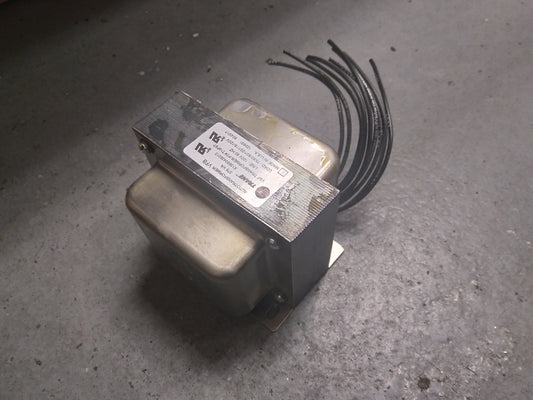
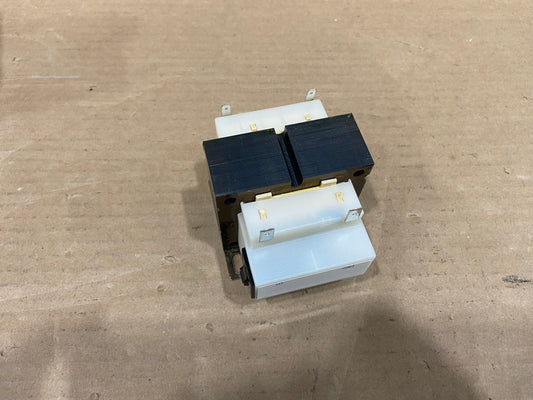
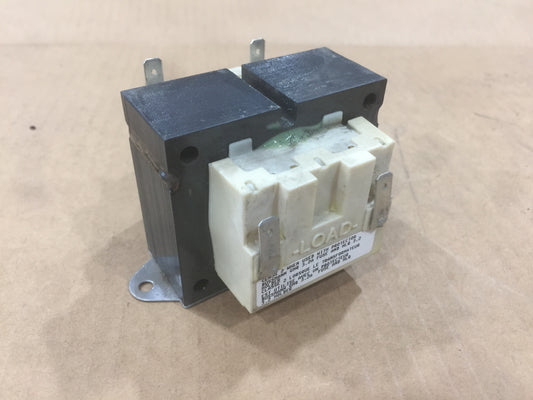
375VA Transformer Primary Volts:120 Secondary Volts:Multi Tap Hertz:60
SCL # : 208179 Available: 16Shop NowRegular price $81.00Regular priceUnit price / per$0.00Sale price $81.00 -
Vendor: BASLER
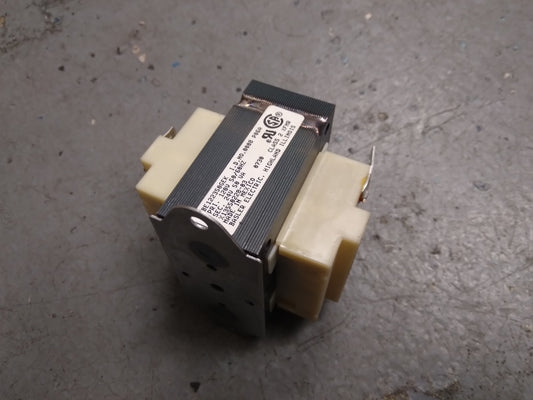
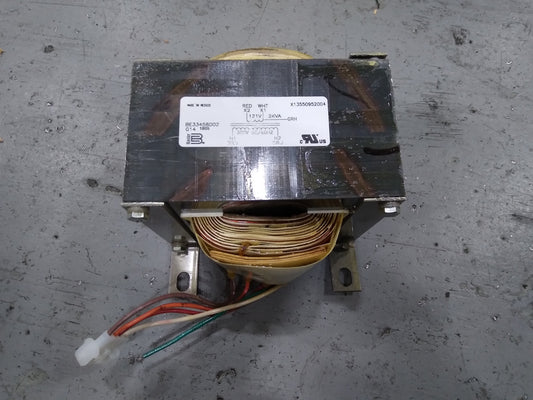
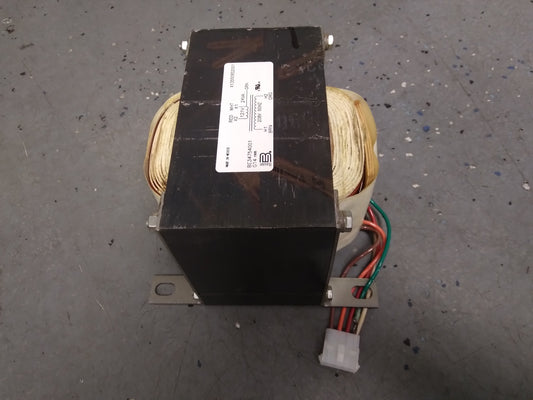
50 VA Low Voltage Power Transformer, 120V Primary and 24V Secondary, 50/60Hz
SCL # : 208050 Available: 30Shop NowRegular price $35.91Regular priceUnit price / per$38.00Sale price $35.91Sale -
Vendor: BASLER
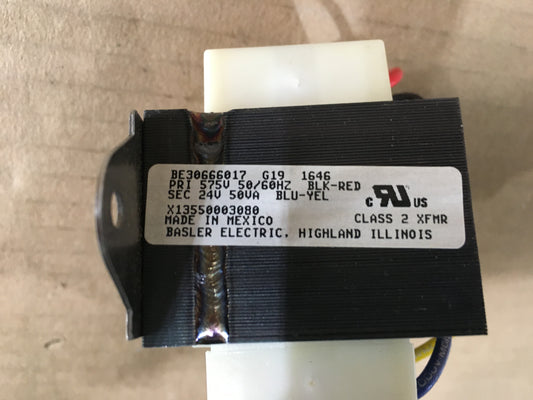
50 VA 575 Volt Transformer
SCL # : 207252 Available: 1Shop NowRegular price $8.51Regular priceUnit price / per$9.00Sale price $8.51Sale -
Vendor: MTE
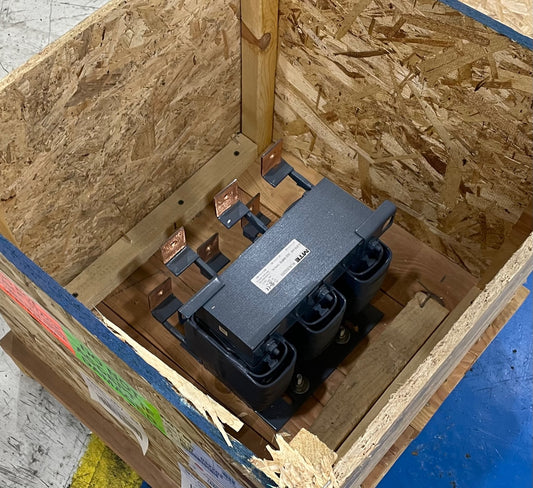
0.070 MH 322 Amps Reactor Transformer, 600/60-50/3
SCL # : 207141 Available: 1Shop NowRegular price $787.19Regular priceUnit price / per$833.00Sale price $787.19Sale -
Vendor: HPS CONTROLS
Choke Line Transformer 600V 60Hz 25A
SCL # : 206977 Available: 1Shop NowRegular price $98.00Regular priceUnit price / per$0.00Sale price $98.00 -
Vendor: SERVICE FIRST
15.2 VA Low Voltage Power Transformer, 115 Primary and 15 Secondary
SCL # : 206544 Available: 5Shop NowRegular price $141.75Regular priceUnit price / per$150.00Sale price $141.75Sale -
Vendor: SOLA/HEVI-DUTY
3000 VA Transformer, 240/480V Primary and 120V Secondary, 50/60 Hertz
SCL # : 206457 Available: 1Shop NowRegular price $400.00Regular priceUnit price / per$0.00Sale price $400.00 -
Vendor: SERVICE FIRST
3000VA Industrial Control Transformer Pri 240/480 Sec 120 Volt 50/60 Hz
SCL # : 206424 Available: 3Shop NowRegular price $472.50Regular priceUnit price / per$500.00Sale price $472.50Sale -
Vendor: BASLER
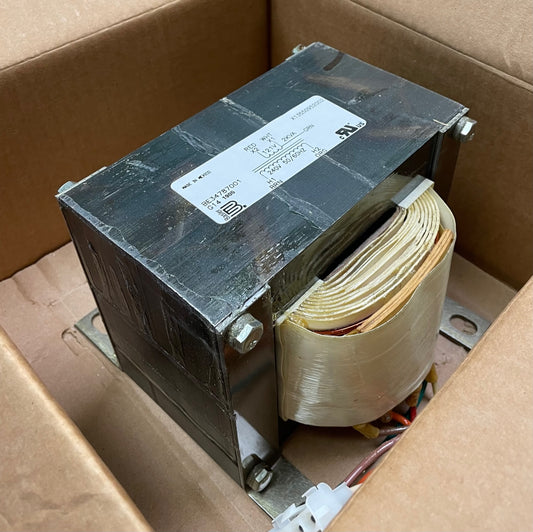
2000 VA Transformer, 600V Primary and 121V Secondary, 50/60 Hertz
SCL # : 206274 Available: 1Shop NowRegular price $212.63Regular priceUnit price / per$225.00Sale price $212.63Sale -
Vendor: SERVICE FIRST
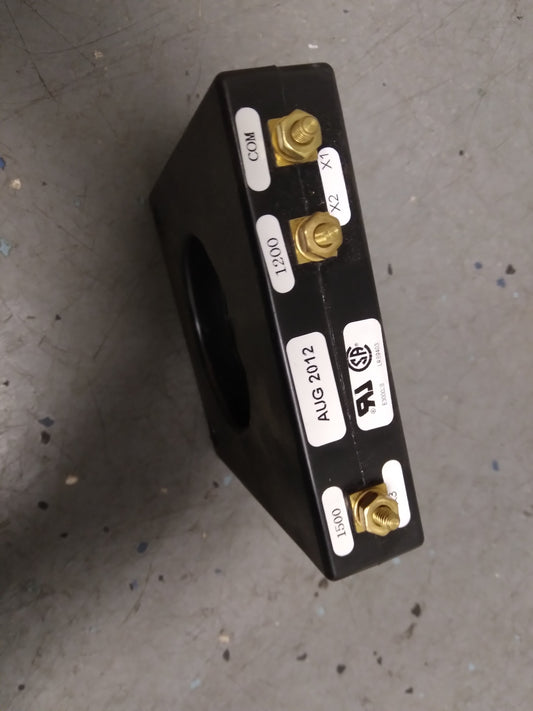
Current Transformer 1200/1500A Primary, 5A Secondary
SCL # : 206245 Available: 2Shop NowRegular price $178.00Regular priceUnit price / per$0.00Sale price $178.00 -
Vendor: BASLER
2000 VA Transformer, 208 Primary and 121 Secondary, 60 Hertz
SCL # : 206239 Available: 1Shop NowRegular price $145.00Regular priceUnit price / per$0.00Sale price $145.00 -
Vendor: BASLER
2000 VA Transformer, 240 Primary And 121 Secondary
SCL # : 206217 Available: 2Shop NowRegular price $212.63Regular priceUnit price / per$225.00Sale price $212.63Sale -
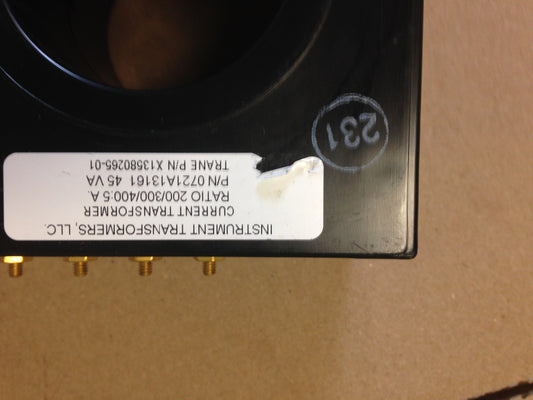
Vendor: TRANE
500 VA/250 VA Current Transformer, 3300 Primary and 120 Secondary
SCL # : 206135 Available: 3Shop NowRegular price $1,606.50Regular priceUnit price / per$1,700.00Sale price $1,606.50Sale -
Vendor: TRANE
Transformer Kit, Variable Ratio Current, 50 Hz, Phase:1
SCL # : 206097 Available: 1Shop NowRegular price $378.00Regular priceUnit price / per$400.00Sale price $378.00Sale -
Vendor: SERVICE FIRST
575 Volt Transformer VA 100
SCL # : 205937 Available: 2Shop NowRegular price $21.74Regular priceUnit price / per$23.00Sale price $21.74Sale -
Vendor: BASLER
Transformer Primary:400 Volt, Secondary:27.7 Volt 87VA Hertz:50/60
SCL # : 205858 Available: 1Shop NowRegular price $141.75Regular priceUnit price / per$150.00Sale price $141.75Sale -
Vendor: BASLER
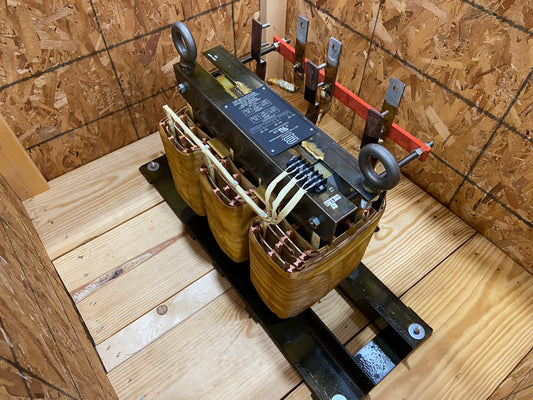
340 KVA 575V Pri/460V Sec Auto Transformer 575-460/60/3
SCL # : 205503 Available: 1Shop NowRegular price $8,505.00Regular priceUnit price / per$9,000.00Sale price $8,505.00Sale -
Vendor: BASLER
470 KVA Auto Tranformer 575-460/60/3
SCL # : 205465 Available: 1Shop NowRegular price $9,261.00Regular priceUnit price / per$9,800.00Sale price $9,261.00Sale -
Vendor: Goodman
Furnace Transformer, 460-230/60 , 100 VA
SCL # : 200566 Available: 793Shop NowRegular price $11.00Regular priceUnit price / per$0.00Sale price $11.00 -
Vendor: ABB
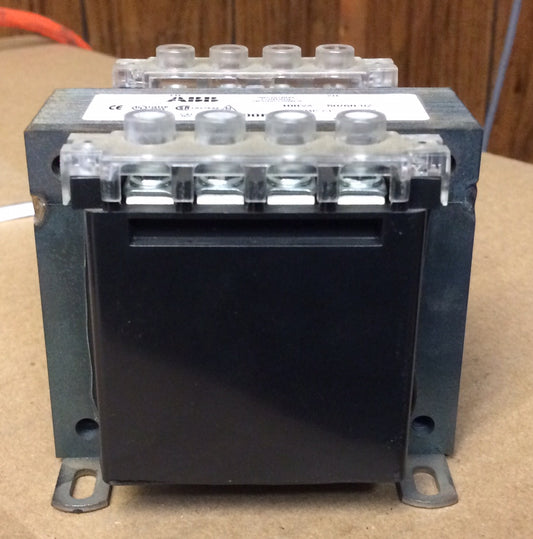
T Series Industrial Control Transformer 100/289 VA 8" Terminal 380 Primary and 24 Secondary
SCL # : 192428 Available: 7Shop NowRegular price $61.43Regular priceUnit price / per$65.00Sale price $61.43Sale -
Vendor: HARTLAND CONTROLS
50 VA Transformer Leads Primary 400V/Sec 24V
SCL # : 186149 Available: 422Shop NowRegular price $3.75Regular priceUnit price / per$0.00Sale price $3.75 -
Vendor: HARTLAND CONTROLS
25 VA 4-Wire Transformer w/Foot Mounting 600 Volts Primary/120V Sec
SCL # : 186146 Available: 117Shop NowRegular price $3.70Regular priceUnit price / per$0.00Sale price $3.70 -
Vendor: HARTLAND CONTROLS
30 VA Transformer w/Leads
SCL # : 186136 Available: 423Shop NowRegular price $4.22Regular priceUnit price / per$0.00Sale price $4.22 -
Vendor: HARTLAND CONTROLS
20 VA 4-Wire Transformer with Foot Mounting; 240 Volts Primary/24V Sec
SCL # : 186128 Available: 186Shop NowRegular price $2.85Regular priceUnit price / per$0.00Sale price $2.85
Frequently Asked Questions
An HVAC transformer steps down incoming line voltage, commonly 120 volts to 240 volts, to the 24-volt signal that powers the thermostat, control board, relays, and safety switches. Without a working 24-volt transformer, the low-voltage control circuit has no power at all, and the system cannot start even though line voltage is still reaching the equipment. Most residential and light commercial systems house the transformer inside the furnace or air handler cabinet, though some packaged or split systems mount it in the outdoor unit instead. The transformer sits between the high-voltage supply and the low-voltage components, so every part of the control circuit, from the thermostat wiring to the ignition control, depends on it working correctly.
VA, short for volt-amp, rating describes how much electrical load a transformer's secondary side can safely carry, and a replacement's VA rating needs to match or safely exceed the original rather than being chosen on voltage alone. That rating has to cover the combined draw of everything wired to the low-voltage side, including the thermostat, relays, and any added accessories such as a zoning board or a UV light. A transformer sized too small for that combined load tends to blow its internal fuse repeatedly or fail early, since it ends up carrying more current on a continuous basis than it was built to handle.
The clearest signs of a bad HVAC transformer include a blank or unresponsive thermostat display, a system that will not start at all, or a circuit breaker that trips repeatedly when the system tries to run. Loud humming, buzzing, or vibration coming from inside the furnace cabinet often points to a transformer under strain, especially if the noise is new or getting louder over time. Visible burn marks, a bulging case, or a burning smell near the transformer are more serious warning signs and usually mean the transformer has already failed or is close to it, rather than something that can wait for a routine service visit.
Matching a replacement transformer starts with comparing the primary, or input, voltage, the secondary, or output, voltage, and the VA rating against the transformer being replaced, rather than assuming transformers in a similar size range are interchangeable. The existing transformer's nameplate, stamped or printed directly on the unit, along with the system's wiring diagram, lists these specifications and is the most direct way to confirm them before ordering. When the old transformer is too damaged or corroded to read clearly, the part's model number or the system's original installation documentation provides the same information without requiring a guess at ratings.
Surplus HVAC parts are factory-new components that have never been installed in a system, typically sourced from discontinued product runs, order overages, or excess manufacturer inventory rather than from a job site or a returned unit. That sets them apart from used parts, which have already operated inside a system, and from refurbished parts, which have been repaired or reconditioned after prior use. Surplus City sources its transformers as new, unused overstock, so a transformer purchased from this collection has the same manufacturing condition as one bought at full price through a standard distributor. The lower price reflects how the inventory was acquired, not the age or condition of the part itself.
An HVAC transformer commonly lasts in the 10 to 20 year range under normal conditions, with the wide spread reflecting differences in electrical load, installation quality, and exposure to power surges or moisture. Power surges, chronic overloading from added accessories, and wiring shorts on the secondary side are the most frequent causes of early failure, often cutting that lifespan well short of the upper end of the range. Keeping the connected load within the transformer's VA rating and protecting the circuit from surges are the most direct ways to get a full service life out of the part before replacement becomes necessary.
Transformer pricing varies by voltage, VA rating, and brand, so there is no single figure that applies across every model. What stays consistent is that buying new overstock inventory typically costs less than buying the same new part through a standard HVAC distributor, since the savings reflect how Surplus City acquires its inventory rather than a difference in part quality. For current HVAC transformer replacement cost figures on a specific model, the listed pricing on the HVAC transformers collection page reflects what is available today, since overstock pricing shifts as inventory turns over.
Surplus City offers an optional 30-day startup warranty on select equipment categories, and whether that coverage extends to transformers has not yet been confirmed. Buyers should treat warranty status for this category as unconfirmed rather than assuming coverage applies or does not apply, and should confirm directly with Surplus City for the current warranty terms on a specific transformer before completing a purchase.
Replacing an HVAC transformer means working on the live, high-voltage primary side of the circuit, since the transformer sits at the point where line voltage steps down to the 24-volt control circuit, and that carries a real risk of serious electrical shock. This is not a task suited to a casual DIY repair. A licensed HVAC technician or electrician has the training and equipment to de-energize the circuit safely, confirm the correct voltage and VA rating before installation, and verify the new transformer is wired and grounded correctly before restoring power. Attempting this work without that training risks electrical shock, damage to the control board, or a wiring error that leaves the system unsafe to operate.