HVAC Valves for Heating and Cooling Systems
-
Vendor: Lennox
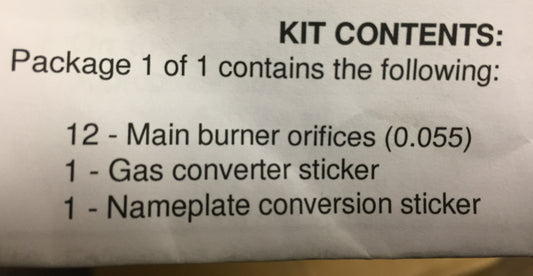
High Altitude Natural Gas Burner Orifice Kit
SCL # : 204376 Available: 9Shop NowRegular price $25.00Regular priceUnit price / per$0.00Sale price $25.00 -
Vendor: ANTUNES CONTROLS
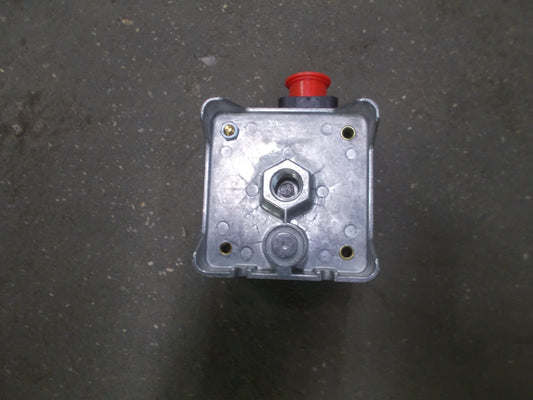
1/3 HP High Gas Pressure Switch, 125-250 VAC
SCL # : 193239 Available: 2Shop NowRegular price $90.72Regular priceUnit price / per$96.00Sale price $90.72Sale -
Vendor: HONEYWELL
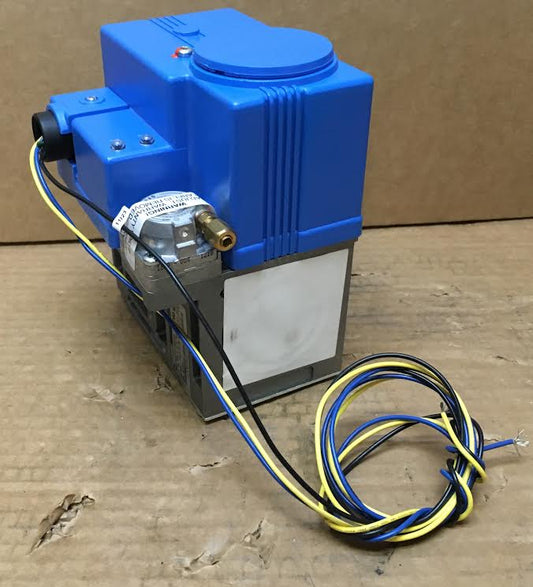
24 V Regulated Gas Valve Replacement Kit for Floor Standing Knight/Armour Series Boilers
SCL # : 180244 Available: 1Shop NowRegular price $583.19Regular priceUnit price / per$1,174.00Sale price $583.19Sale -
Vendor: WHITE RODGERS
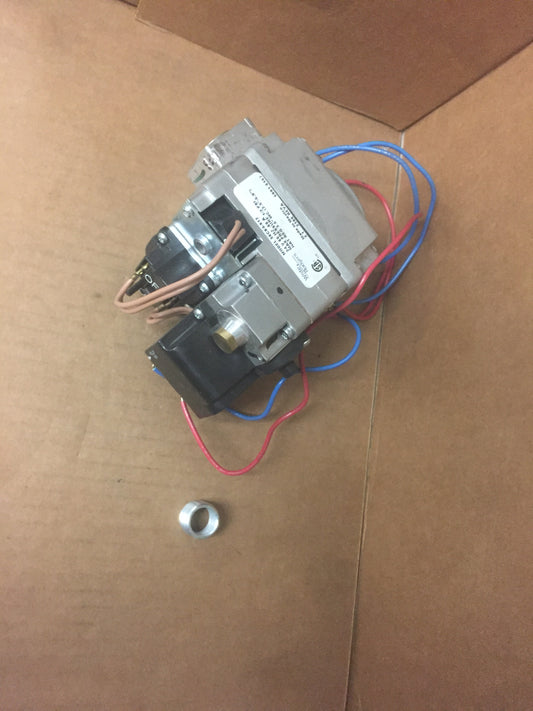
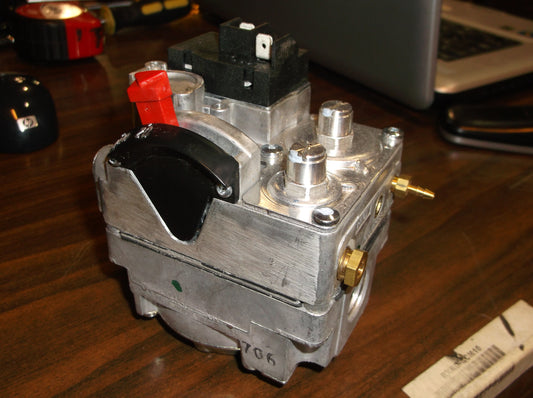
24V W/R 3/4" LP Gas Valve
SCL # : 99873 Available: 2Shop NowRegular price $226.80Regular priceUnit price / per$240.00Sale price $226.80Sale -
Vendor: HONEYWELL
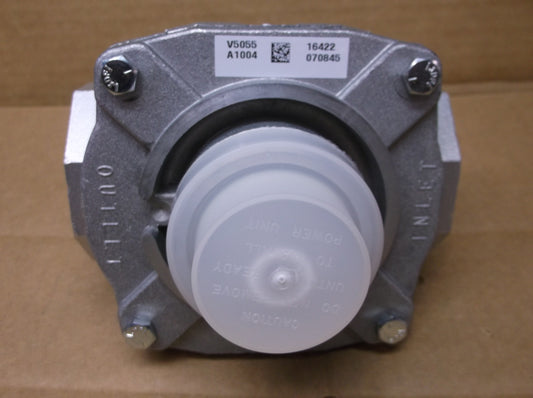
1"NPT Industrial Gas Valve
SCL # : 60158 Available: 2Shop NowRegular price $113.40Regular priceUnit price / per$120.00Sale price $113.40Sale -
Vendor: ROBERTSHAW
24 Volt 1/2" X 1/2" Hot Surface Ignition Natural Gas Valve
SCL # : 22916 Available: 40Shop NowRegular price $49.15Regular priceUnit price / per$50.00Sale price $49.15Sale -
Vendor: SAMSUNG
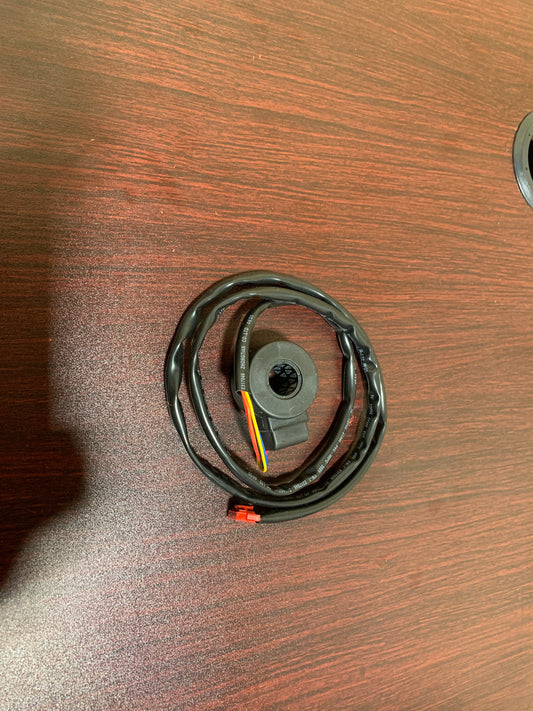
Valve Coil Expan DC 12V
SCL # : 213565 Available: 1Shop NowRegular price $37.80Regular priceUnit price / per$40.00Sale price $37.80Sale
Frequently Asked Questions
A thermostatic expansion valve (TXV) meters liquid refrigerant into the evaporator coil, opening and closing in response to system demand so the coil receives the right amount of refrigerant as conditions change. It works continuously to hold a steady superheat at the evaporator outlet, which keeps the system efficient whether it is running under a light load or working hard on a hot day. As a core metering device in most modern air conditioning, heat pump, and refrigeration systems, the TXV controls one of the most basic functions in the refrigeration cycle: how much refrigerant reaches the coil at any given moment, rather than relying on a fixed flow rate.
Superheat is the difference between the actual temperature of refrigerant vapor and the temperature at which that refrigerant would boil at the same pressure, and it shows a technician how much heat the refrigerant has absorbed beyond the point where it fully turned from liquid to vapor. A TXV opens and closes to hold superheat at a steady target value as conditions in the system shift, which keeps liquid refrigerant from reaching the compressor, since compressors are built to handle vapor rather than liquid. Correct superheat control protects the compressor from that kind of damage and keeps the system running at the efficiency it was designed for.
The clearest symptoms of a bad TXV valve include inconsistent or poor cooling even though the system runs continuously, since a stuck or misadjusted valve can no longer meter refrigerant correctly. Frost or heavy condensation building up on the suction line or evaporator coil is another common sign, often pointing to too much refrigerant reaching the coil at once. During diagnostics, a technician may also find abnormal or fluctuating superheat and pressure readings that swing outside the expected range, which usually confirms the valve itself, rather than another component, is causing the problem.
Matching a replacement TXV valve starts with confirming the system's refrigerant type, since a valve built for R-22 does not work as an R-410A expansion valve, given that the two refrigerants operate at different pressures and require different internal calibration. Beyond refrigerant type, the replacement also needs to match the system's tonnage, connection size, and equalizer type to the valve being replaced. When any of these details are unclear, the original valve's model number or the system's documentation gives the most reliable reference point for finding a correct match before ordering.
Surplus HVAC parts carry that label because of how they were acquired, not because of prior use. These are factory-new components pulled from discontinued production runs, canceled orders, or manufacturer overstock. None of them have been installed in a working system, which is a meaningful difference from used and refurbished parts. The TXVs in this collection fall into the first category: new, unused inventory that carries the same manufacturing condition as a unit purchased at full price through a standard distributor, with the lower cost coming from the sourcing model rather than the condition of the part.
A properly functioning TXV can last for the life of the system it is installed in, since it has no moving parts that wear out the way a mechanical component would. When a TXV does fail, the cause is usually contamination in the refrigerant circuit, wax or sludge buildup inside the valve, moisture that entered the system during a prior repair, or a lost charge in the valve's sensing bulb, the small sensor that reads evaporator outlet temperature, rather than ordinary age-related wear. Because failure tends to trace back to a system condition rather than the valve simply wearing out, addressing the underlying cause during replacement helps prevent the new valve from failing the same way.
Thermostatic expansion valve replacement cost depends on refrigerant type, tonnage, connection size, and brand, so there is no single figure that covers every situation. What stays consistent is that buying new overstock inventory typically costs less than buying the same new part through a standard distributor, since the savings reflect how Surplus City acquires its inventory rather than a difference in part quality. For current pricing on a specific valve, the listed pricing on the TXV collection page reflects what is available today, since overstock pricing can shift as inventory turns over.
Surplus City offers an optional 30-day startup warranty on select equipment categories, but whether TXVs fall under that coverage has not been confirmed yet. Until Surplus City confirms one way or the other, buyers should treat warranty status for this category as an open question rather than assumed coverage, and should check directly with Surplus City for current terms on a specific valve before completing a purchase.
Replacing a TXV requires recovering refrigerant from the system, brazing the new valve into the liquid line, and then evacuating and recharging the system, all of which fall under EPA-certified refrigerant handling requirements. This is not a task suited to a DIY repair. A licensed HVAC or refrigeration technician has the equipment and certification needed to recover refrigerant without releasing it into the atmosphere, braze the new valve in correctly, pull a proper vacuum on the system, and recharge it to the right refrigerant weight. Attempting this work without that certification risks refrigerant release, an improperly brazed joint, or a system that ends up undercharged or overcharged after the repair.