-
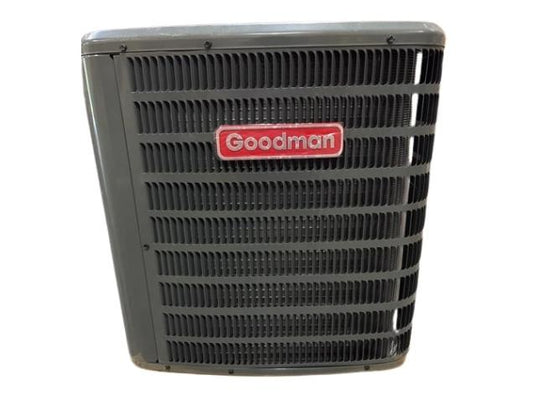
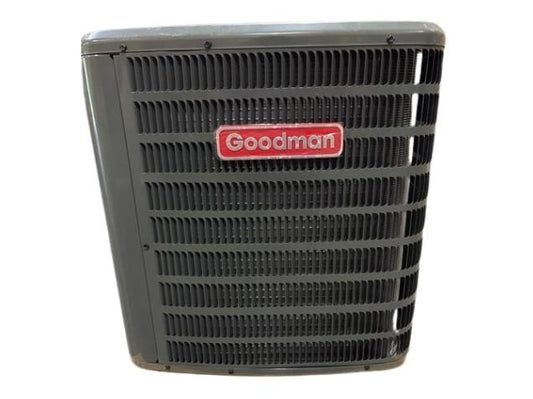
Vendor: GoodmanAHRI MatchedCertified by AHRI for tested HVAC performance and efficiency standards.1.5 Ton 1-Stg SS Air Conditioner 208-230/60/1 R410A 14.3 SEER2 with 2 Ton Up/Down Cased A Coil R410A
SCL # : 220567 Available: 53Shop NowRegular price $1,348.00Regular priceUnit price / per$1,379.00Sale price $1,348.00Sale -
Vendor: Goodman
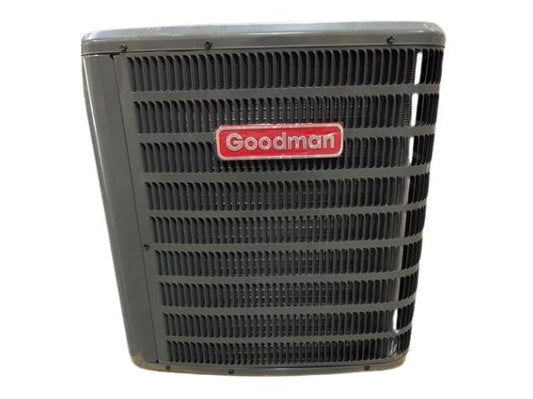
1.5 Ton 1-Stg SS AC 208-230/60/1 R410A 14.3 SEER2 with 2 Ton Up/Down Cased A Coil R-22 / R-410A
SCL # : 220566 Available: 54Shop NowRegular price $1,348.00Regular priceUnit price / per$1,379.00Sale price $1,348.00Sale -
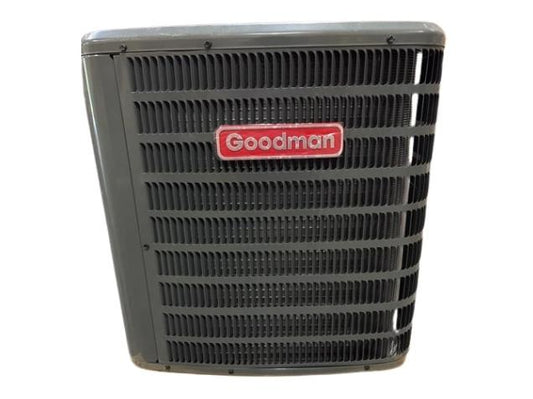
Vendor: Goodman/Lennox1.5 Ton 1-Stg SS Air Conditioner 208-230/60/1 R410A 14.3 SEER2 with 2 Ton Upflow Cased A Coil, R410A
SCL # : 220565 Available: 474Shop NowRegular price $1,312.00Regular priceUnit price / per$1,339.00Sale price $1,312.00Sale -
Vendor: GoodmanAHRI MatchedCertified by AHRI for tested HVAC performance and efficiency standards.
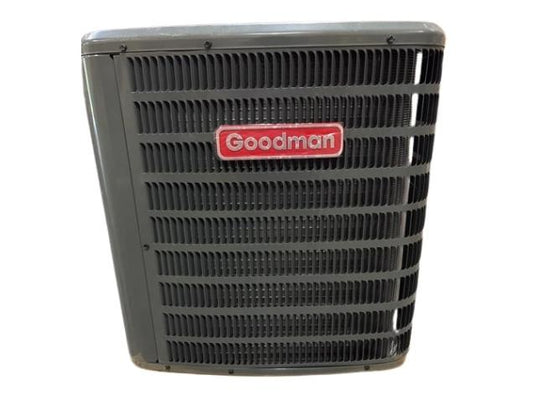
1.5 Ton 1-Stg SS AC 208-230/60/1 R410A 14.3 SEER2 with 1.5 Ton Up/Down Cased A Coil, R-410A
SCL # : 220564 Available: 236Shop NowRegular price $1,321.00Regular priceUnit price / per$1,349.00Sale price $1,321.00Sale -
Vendor: GOODMAN/US ALUMACO
1.5 Ton 1-Stg SS AC 208-230/60/1 R410A 14.3 SEER2 with 1.5 Ton Up/Down Cased A Coil, R22/R-410A
SCL # : 220560 Available: 204Shop NowRegular price $1,313.00Regular priceUnit price / per$1,339.00Sale price $1,313.00Sale -
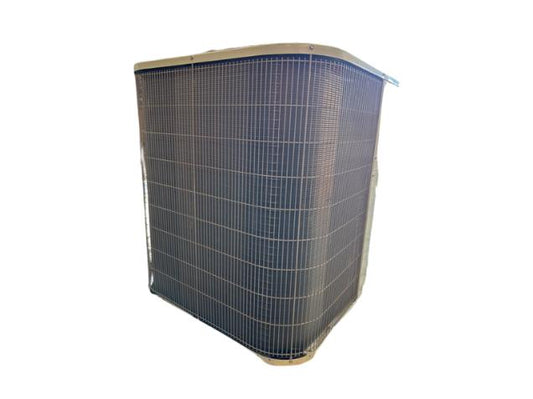
Vendor: EnduroAirAHRI MatchedCertified by AHRI for tested HVAC performance and efficiency standards.2.5 Ton Split-System Air Conditioner 208-230/60/1 14.3SEER2 with 2.5 Ton Cased Up/Down V Coil R-454B
SCL # : 220287 Available: 99Shop NowRegular price $1,925.00Regular priceUnit price / per$2,598.00Sale price $1,925.00Sale -
Vendor: EnduroAirAHRI MatchedCertified by AHRI for tested HVAC performance and efficiency standards.
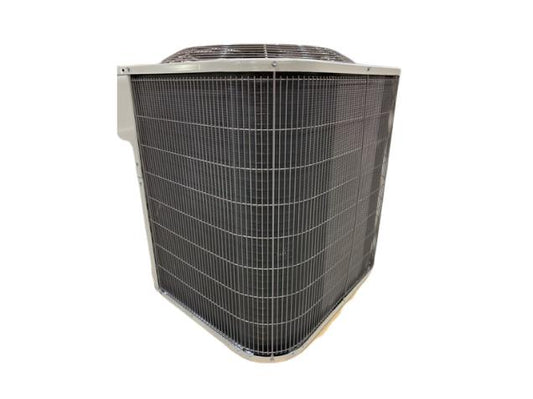
2 Ton Split-System Air Conditioner 208-230/60/1, 14.3 SEER2 with 2 Ton Cased Up/Down V Coil, R-454B
SCL # : 220286 Available: 48Shop NowRegular price $1,799.00Regular priceUnit price / per$2,519.00Sale price $1,799.00Sale -
Vendor: EnduroAirAHRI MatchedCertified by AHRI for tested HVAC performance and efficiency standards.
3 Ton Split-System Air Conditioner 208-230/60/1, 14.3 SEER2 with 3 Ton Cased Up/Down V Coil, R-454B
SCL # : 220281 Available: 96Shop NowRegular price $2,199.00Regular priceUnit price / per$2,841.00Sale price $2,199.00Sale -
Vendor: Rheem/Fujitsu/Aspen
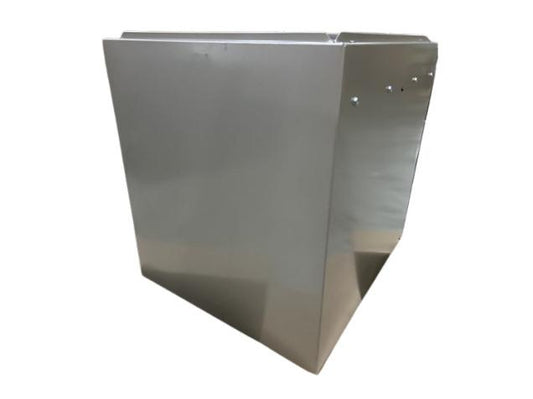
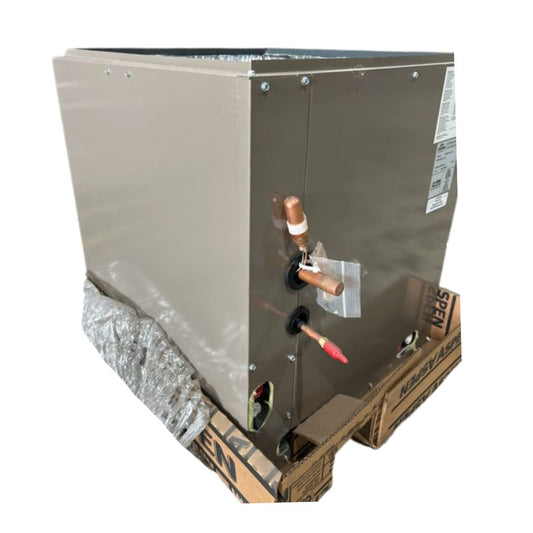
75,000 BTU 1-Stg Upflow/Horizontal Gas Furnace 80% and 3 Ton Multiposition Cased A Coil
SCL # : 219658 Available: 157Shop NowRegular price $1,093.00Regular priceUnit price / per$1,129.00Sale price $1,093.00Sale
Frequently Asked Questions
The evaporator coil is located inside the home, typically attached to the air handler. It is responsible for removing heat from the air within the house as the refrigerant evaporates within the coil. Meanwhile, the condenser coil is situated outside the home and releases the absorbed heat into the environment as the refrigerant condenses.
How Coils Impact The Cooling Process
The efficiency and effectiveness of the cooling process largely depend on the condition and functioning of these coils. Clean, well-maintained, and undamaged coils allow the refrigerant to flow seamlessly, ensuring optimal heat absorption and dissipation. Dirty or damaged coils, on the other hand, can impair this process, leading to higher energy consumption and reduced cooling performance.
When it comes to the longevity of AC unit coils, understanding their typical lifecycle can help homeowners and contractors make well-informed decisions about maintenance and replacement. Usually, these coils—used in both evaporator and condenser roles—have a significant impact on the function and efficiency of the air conditioning system.
Factors Affecting Coil Lifespan
The durability of air conditioner coils is primarily determined by maintenance, usage frequency, and environmental conditions. Coils that are well-maintained and regularly cleaned last longer. Debris and dirt accumulation can reduce efficiency and cause wear over time. Furthermore, environmental factors such as coastal air, which can be corrosive, may shorten the lifespan of coils.
Average Lifespan Of Coils
The average lifespan of evaporator and condenser coils usually falls between 10 to 15 years. However, with diligent care, some can last even longer. Regular maintenance checks can identify issues early, allowing for necessary repairs or preventive measures that could extend the life of the coils.
Maintenance Tips To Extend Coil Life
To maximize the AC unit coils lifespan, homeowners and contractors should commit to a routine maintenance schedule. Cleaning coils regularly, ensuring proper unit ventilation, and replacing air filters as needed can all help. During maintenance visits, experts can identify potential problems before they lead to more severe issues, offering peace of mind and enhanced system longevity.
In conclusion, while the average lifespan of air conditioner coils is relatively consistent, factors such as proactive maintenance and environmental conditions can influence durability. Ensuring that these important components are regularly inspected and maintained can prevent costly replacements and ensure the conditioned air system remains at peak performance.
When your air conditioning system runs into issues, identifying whether air conditioner coil replacement is worth the investment is crucial. Coils are integral to the performance of your AC unit and can heavily impact energy efficiency and cooling effectiveness.
Costs Vs. Benefits Of Coil Replacement
The primary consideration is the balance between cost and benefit. Replacing an AC coil can range from hundreds to thousands of dollars; however, retaining an inefficient coil could lead to increased energy bills and reduced comfort. Not only does a faulty coil burden the system, but it can also shorten the lifespan of the entire unit. Weigh the initial expenses against the potential savings in energy costs and improved system longevity.
Scenarios When Replacement Is Advisable
There are several conditions where replacing the coil becomes a wise choice. If the coil has significant damage or corrosion, produces inadequate cooling, or causes refrigerant leaks, it may be time for a replacement. Additionally, if your system is relatively new and performs well otherwise, swapping out a damaged coil could restore its full capacity.
Alternatives To Coil Replacement
Before rushing to replace the coil, consider maintenance steps such as regular cleaning or light repairs that might suffice in improving performance. Sometimes other components might be malfunctioning, which doesn't necessarily require a coil replacement. Consult with HVAC experts at Surplus City to discuss your system's condition and explore all viable solutions to save on unnecessary expenses while enhancing efficiency.
When it comes to maintaining your HVAC system, eventually, you may face the need to replace the AC coils. It's a vital component that plays a crucial role in the system’s efficiency and your home's comfort. But what should you expect to pay for this replacement?
Typical Cost Range For AC Coil Replacement
The cost to replace an air conditioner coil can vary considerably, typically ranging between $600 and $2,000 or more. This variation is often due to differences in labor costs, the type of coil, and the particular model of your air conditioner. Replacement expenses also depend on whether you’re changing an evaporator coil or a condenser coil. In most cases, replacing condenser coils can be slightly more expensive.
Factors Influencing Replacement Costs
Several factors influence the cost of replacing AC coils. These include the size of the unit, ease of access to the coils, and the type of refrigerant used in the system. Larger systems typically involve more material and labor. Additionally, systems using older, phased-out refrigerants like R-22 often cost more to fix due to supply limitations.
Price Comparison Of Evaporator Vs. Condenser Coil Replacement
When comparing the prices of evaporator coil versus condenser coil replacement, evaporator coils generally come on a slightly lower end of the spectrum. Condenser coil replacements can be more involved due to their position in the outdoor unit and the robust materials they require, contributing to a higher price point.
While coil replacement can be a significant expense, it’s sometimes more cost-effective than replacing the entire AC system, especially if the unit is otherwise in good condition and relatively young.