Válvulas solenoides y bobinas
-
Proveedor: EMERSON
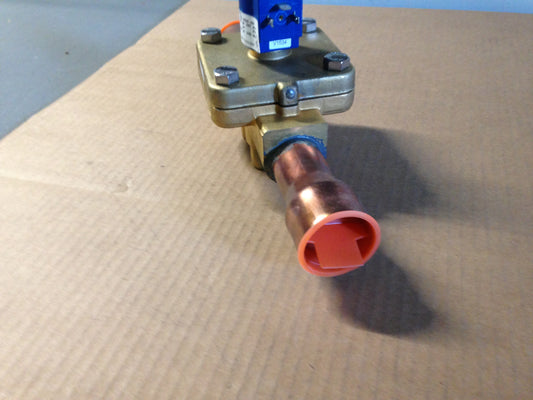
1 válvula solenoide de refrigerante de 1/4"
Número de serie: 202645 Disponible: 2Comprar ahoraPrecio regular $350.00Precio regularPrecio unitario / por$0.00Precio de venta $350.00 -
Proveedor: EMERSON
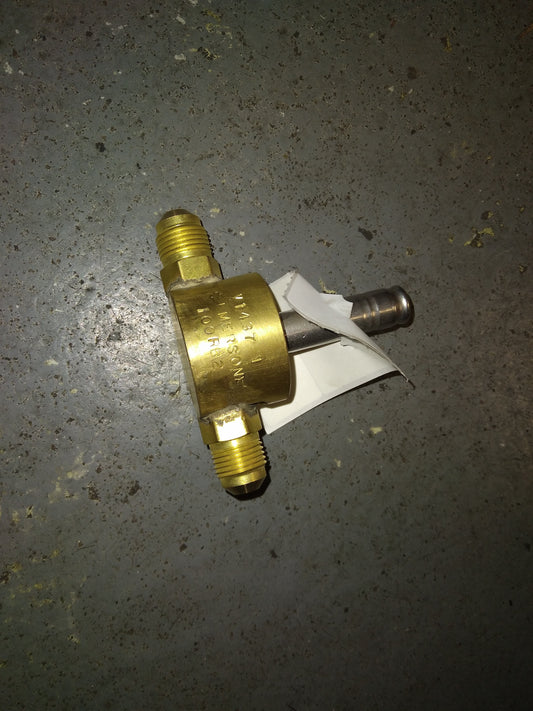
Válvula solenoide de 3/8 de 2 vías normalmente cerrada sin bobina
Número de serie: 209970 Disponible: 10Comprar ahoraPrecio regular $32.13Precio regularPrecio unitario / por$34.00Precio de venta $32.13Venta -
Proveedor: SPORLAN
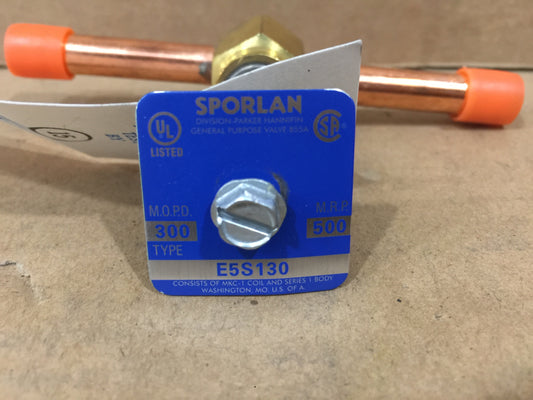
Válvula solenoide de 2 vías, 3/8 ODF
Número de serie: 210016 Disponible: 6Comprar ahoraPrecio regular $50.00Precio regularPrecio unitario / por$0.00Precio de venta $50.00
Frequently Asked Questions
An HVAC solenoid valve is an electromechanically operated valve that opens or closes to control the flow of refrigerant, water, or other fluid within a heating, cooling, or refrigeration system. It consists of a coil, a plunger, and a valve body, and it switches position when an electrical current energizes the coil. Manufacturers place these valves in liquid lines, hot gas bypass lines, and suction lines, where a refrigeration solenoid valve manages when fluid moves through that section of the circuit. The valve itself does not generate cooling or heating. It acts as an on-off gate that a thermostat, controller, or safety switch can trigger without a technician physically turning a handle each time flow needs to stop or start.
A normally closed solenoid valve stays shut when no power reaches the coil and opens only once the coil is energized, while a normally open valve stays open at rest and closes when energized. Which type a system needs depends entirely on how the original equipment was designed to fail in the event of a power loss or control signal drop, not on personal preference. A furnace gas line, for example, is typically built around a normally closed valve so gas flow stops automatically if power cuts out, while some defrost or bypass circuits rely on a normally open configuration to keep flow moving during a fault. Matching the replacement valve to the original configuration, rather than substituting the opposite type, keeps the system behaving the way it was engineered to behave.
A solenoid valve that needs replacement usually shows up as inconsistent heating or cooling performance, along with a buzzing, humming, or clicking noise from the unit that was not there before. Refrigerant or fluid leaking near the valve body is another common sign, since a worn seal or cracked housing lets fluid escape at the connection points. A coil that runs hot to the touch, or a valve that fails to open or close when the system calls for it, points to electrical or mechanical failure inside the valve itself. Rising energy bills can also be a clue, since a stuck or partially blocked valve forces the compressor and other components to work harder to reach the same temperature.
The safest way to match a replacement solenoid valve is to compare connection size, pressure rating, voltage, and refrigerant compatibility against the valve currently installed, rather than estimating from the equipment's overall size or brand. It also matters whether the application calls for a direct-acting valve, which opens using only the electromagnetic coil, or a pilot-operated valve, which uses system pressure to help open a larger port. When any of these details are unclear, the existing part's model number, along with the system's original documentation or nameplate data, gives the most reliable reference point for finding an exact or equivalent match before ordering a replacement.
Surplus HVAC parts are factory-new components that have never been installed in a system, typically sourced from discontinued product runs, order overages, or excess manufacturer inventory rather than from a job site or a returned unit. That distinguishes them from used parts, which have already operated inside a system, and from refurbished parts, which have been repaired or reconditioned after prior use. Surplus City sources its solenoid valves and coils as new, unused overstock, so a valve purchased from this collection has the same manufacturing condition as one bought at full price through a standard distributor. The lower cost reflects how the inventory was acquired, not the condition or age of the part itself.
Surplus City's solenoid valve and coil inventory includes recognized manufacturers commonly used across residential and commercial HVAC and refrigeration systems, sourced through the same overstock and discontinued-run channels that supply the rest of the collection. Because this inventory is overstock rather than a fixed catalog, the specific HVAC solenoid valve brands and models in stock change as new lots come in and existing stock sells through. The most reliable way to confirm what’s currently available, including exact brand and model numbers, is to check the live listings on the solenoid valves and coils collection page rather than relying on a static brand list.
A solenoid valve used in HVAC or refrigeration equipment commonly lasts in the 5 to 10 year range, though the exact figure depends on usage patterns, the refrigerant or fluid involved, and how consistently the system receives maintenance. Valves that cycle open and closed frequently, or that operate in higher-temperature environments, tend toward the shorter end of that range, while valves in lower-cycle, well-maintained systems can last longer. Regular inspection for leaks around the valve body, corrosion on fittings, and wear on the coil housing helps catch early failures before they affect system performance and gives a technician the chance to plan a replacement rather than respond to an emergency breakdown.
Solenoid valve pricing varies by valve size, brand, voltage, and configuration, so there is no single number that applies across the category. What stays consistent is that buying new overstock inventory typically costs less than buying the same new part through a standard HVAC distributor, since the savings come from how Surplus City acquires the inventory rather than from a lower-grade product. For current solenoid valve replacement cost figures on a specific model, the listed pricing on the solenoid valves and coils collection page reflects what is available today, since overstock pricing can shift as inventory turns over.
Surplus City offers an optional 30-day startup warranty on select equipment categories, and whether that coverage extends to solenoid valves and coils has not yet been confirmed. Buyers should treat warranty status for this category as unconfirmed rather than assuming coverage applies or does not apply, and should confirm directly with Surplus City for the current warranty terms on a specific solenoid valve or coil before completing a purchase.
Installing a refrigeration solenoid valve requires cutting into the refrigerant line and brazing, a metal-joining process that uses high heat and filler metal to seal the new connection, along with recovering and handling refrigerant under conditions regulated by EPA certification. This is not a task suited to a DIY repair. A licensed HVAC or refrigeration technician has the training, tools, and certification needed to open the refrigerant circuit safely, install the correct valve orientation, and pressure test the system afterward to confirm there are no leaks before recharging it. Attempting this work without that certification risks refrigerant release, an improperly sealed brazed joint, or a valve installed in the wrong position, any of which can affect system performance or safety.