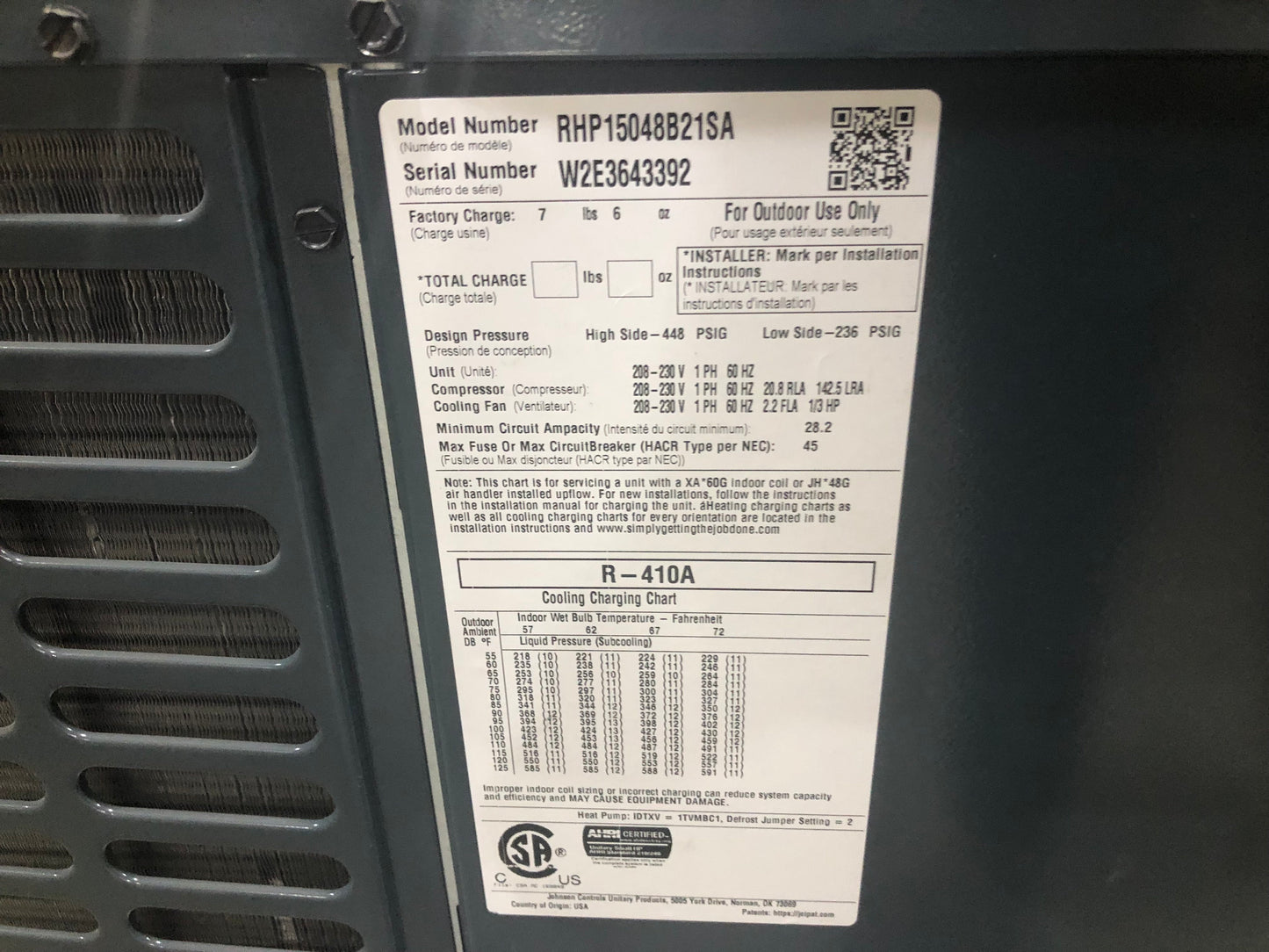
Deciding between a heat pump system and a split system can be crucial for both homeowners and contractors looking for the best solution for heating and cooling requirements. Understanding the definitions and functions of these systems is the first step in making an informed decision.
Definitions and Functions of Heat Pumps and Split Systems
A heat pump is a versatile unit capable of providing both heating and cooling by transferring heat between the inside of a building and the outside. It’s especially advantageous in moderate climates, where it maintains energy efficiency year-round. A standard split system, meanwhile, primarily provides cooling and consists of indoor and outdoor units, which work together to manage air circulation and temperature control.
Pros and Cons of Each System
Heat pumps stand out for their dual functionality. They are energy-efficient and environmentally friendly, as they don’t generate heat but merely transfer it, resulting in lower energy costs. However, in extreme cold temperatures, supplementary heating might be needed as heat pumps can lose their efficiency. Additionally, heat pumps can help homeowners save money through energy efficiency by reducing reliance on expensive fuel sources.
Split systems, on the other hand, are lauded for their superior cooling abilities. They tend to have lower upfront costs than heat pumps and are ideal for regions where cooling is a top priority. However, they typically lack heating capabilities unless paired with a separate heating system.
Ideal Scenarios for Using a Heat Pump Versus a Split System
For regions with a balanced climate where both heating and cooling are needed throughout the year, a heat pump offers a cost-effective and efficient solution. These systems are also suitable for eco-conscious individuals aiming to minimize their carbon footprint. The versatility of air handlers in different installation configurations, such as upflow, downflow, and horizontal flow, makes them adaptable for both new and existing ductwork setups.
Conversely, a split system is more appropriate in warmer regions where cooling needs surpass heating. Its effectiveness in cooling large areas also makes it a preferred choice in commercial settings and homes where significant cooling power is essential.
Ultimately, the decision hinges on climate, budget, and specific needs.